Executive Summary
This report examines the UltraSonBlue project, an innovative system that uses proprietary ultrasonic technology to dramatically improve the production and supply chain of AdBlue (Diesel Exhaust Fluid, DEF). The technology is inspired by the highly efficient mixing process found in nature, specifically the homogenization of honey. By moving production from centralized factories to the point of consumption, UltraSonBlue resolves fundamental issues in the current supply chain: the elimination of harmful chemical contaminants (such as formaldehyde), reduction of massive water waste, and prevention of product quality loss due to air contact. The system produces AdBlue that is cleaner and up to 20 percent more effective [1]. The financial model projects a rapid return on investment, achieving break-even within 14 months on an initial investment of approximately 3,000,000 Euros [1]. The project features a structured, five-phased global expansion plan and positions the core ultrasonic technology for wide application across multiple high-value industries, including pharmaceuticals and cosmetics.
Chapter 1: Foundations of the UltraSonBlue Innovation
1.1 The Invention: Subject, Inspiration, and Core Technology
The UltraSonBlue system is a novel device that uses advanced acoustic wave technology, specifically ultrasonic waves, to create highly stable and uniform liquid solutions [1]. The conceptual basis for this innovation is found in nature, drawing inspiration from the precise, flawless homogenization process of honey, which is often considered a natural masterpiece of stability and quality [1]. The device intelligently replicates the acoustic stirring mechanism used by bees to achieve unparalleled stability and homogeneity in the resulting mixture [1].
The primary and initial application of this technology is the production of AdBlue [1]. AdBlue, or Diesel Exhaust Fluid (DEF), is an aqueous urea solution essential for modern environmental compliance. It conforms to the ISO 22241 quality standard and consists of 32.5% pure urea (AUS 32) dissolved in deionized water [1]. This product is consumed within Selective Catalytic Reduction (SCR) systems used in new-generation diesel engines, generators, and marine vessels to substantially decrease the emission of toxic exhaust gases, such as Nitrogen Oxide () [1]. The ultimate strategic goal of UltraSonBlue is to transform the entire supply chain—covering production, storage, maintenance, and end-use—of AdBlue, leading to reduced costs, increased product quality, and significant worldwide environmental compatibility [1]. The clear reference to a natural process, biomimicry, is a key strategy for intellectual property, simplifying the communication of the technology’s superior efficiency and distinguishing it from older, purely mechanical mixing patents. Furthermore, the emphasis on “unparalleled homogeneity” directly translates into higher performance for the final product, as consistent concentration ensures optimal chemical reaction efficiency within the vehicle’s SCR system.
1.2 Current Industry Deficiencies: The Perils of Traditional Urea Sourcing
The conventional industrial method for sourcing urea, the main raw material, presents several chemical, logistical, and environmental failures that UltraSonBlue is designed to overcome [1].
Traditional urea is produced in petrochemical facilities through a multi-stage synthesis process. Hydrogen is extracted from natural gas (), combined with nitrogen () to form ammonia (), and then reacted with carbon dioxide () to produce urea () [1]. This chemical manufacturing chain is highly complex and linked to extensive environmental pollution [1]. The environmental cost of centralized urea production is a major factor driving the need for decentralized solutions.
The resulting traditional urea contains impurities that severely compromise both vehicle systems and human health. First, it contains Biuret, which is detrimental to diesel engines, causing clogging of the AdBlue nozzle system, generating errors in the SCR system, and reducing the catalyst’s ability to convert toxic gases into harmless ones [1]. Second, Formaldehyde is commonly added as an anti-caking agent during packaging to prevent the granular urea from hardening [1]. This substance is a known carcinogen, recognized as such for over three decades by global health organizations [1]. The presence of formaldehyde also actively reduces the effectiveness of AdBlue and causes additional problems within the vehicle’s SCR system [1]. By explicitly pointing out the use of a known carcinogen, the project gains a substantial advantage, positioning the innovation favorably against future regulatory tightening of global health and safety standards.
Logistically, the handling of granular urea poses numerous difficulties and hazards. It is packaged in heavy 50 kg or 1-ton bags, making loading, sea/road transport, and warehousing operations difficult, costly, and labor-intensive [1]. Moreover, urea degrades quickly; when exposed to pressure or humidity in storage, it hardens, imposing significant energy and quality control costs on producers [1]. The granular nature of the material itself poses serious health risks, causing potential illness or cancer through skin contact and inhalation [1]. These high operational costs associated with complex handling are ultimately reflected in the elevated final price paid by consumers or gas station operators.
1.3 Logistical and Quality Weaknesses in the Existing AdBlue Supply Chain
The inefficiency of the current supply chain extends far beyond raw material sourcing, covering water use, transportation, and final consumption [1].
A major environmental and operational failing is water inefficiency. Approximately 68% of AdBlue is deionized water, which requires substantial purification systems in centralized factories [1]. This process creates a vast amount of non-optimized wastewater, or effluent. The existing system wastes about 200 tons of water effluent for every 100 tons of AdBlue produced, a significant environmental and cost burden [1].
The transportation and storage logistics are complex and add no value to the final product. The process involves transporting urea, warehousing it, producing the AdBlue, storing the liquid in massive tanks, filling it into plastic containers (ranging from 1 liter up to 30 liters), palletization, further warehouse storage, and finally distributing it to the market [1]. This structure requires extensive storage space and specialized equipment [1].
A critical flaw is quality degradation due to air contact. AdBlue must not contact air to maintain its full efficacy. However, the centralized model necessitates long-distance transport and prolonged storage in tanks and plastic containers, leading to direct air exposure and severely diminished performance [1]. This issue is compounded at the consumption stage: systems deployed for bulk dispensing still require transport via large tankers, further increasing air contact and quality loss [1]. Furthermore, the decentralized, manual nature of dispensing allows unscrupulous vendors to dilute AdBlue with water, leading to consumer distrust and legal complications [1]. The use of millions of individual plastic containers for retail sales also generates substantial plastic waste, which is both expensive and damaging to the environment [1].
Chapter 2: Advantages and Transformative Benefits
The UltraSonBlue system directly addresses and comprehensively resolves the numerous failings of the traditional supply chain, establishing new standards for environmental purity, operational efficiency, and consumer value.
2.1 Purity and Environmental Excellence: The Introduction of Green Urea
The technology enforces superior purity standards by supporting “green” practices in raw material sourcing and preparation. Urea sourced for the UltraSonBlue system is designated as “green,” ensuring the production method results in zero environmental pollution during the urea manufacturing phase [1]. Crucially, because the system does not require urea to be stored in granular bags for long periods, it requires no anti-caking agents, enabling the complete removal of carcinogenic formaldehyde from the process [1]. By eliminating complex packaging, transport, and warehousing steps for granular urea, the system guarantees zero contamination or impurities up to the point of consumption [1]. The entire traditional supply chain for urea logistics is removed and replaced by a simplified capsule delivery system [1].
2.2 Operational and Quality Superiority
The localized, on-demand production model provides exceptional operational efficiencies and ensures guaranteed, stable product quality.
In terms of environmental impact, the system achieves remarkable water conservation. Since AdBlue is produced only on demand at the consumption site, water is filtered only as needed, vastly reducing the volume of wastewater. The limited effluent created is easily stored and can be reused locally for purposes such as cleaning or plant irrigation, thus preventing the global waste of millions of liters of water associated with centralized factories [1].
The decentralized production ensures that the core quality requirement—that AdBlue must not contact air—is met perfectly. The production process ensures the newly manufactured AdBlue has zero contact with air before it is dispensed directly into the vehicle fuel tank [1]. Production is fully mechanized, automated, and supervised by precise control systems, eliminating human interference and ensuring stable, consistent quality, which also prevents the opportunity for vendor fraud [1]. Due to this guaranteed stable concentration, zero contamination, and zero air degradation, the AdBlue produced by this method is expected to be at least 20 percent more effective in functional performance than conventionally produced AdBlue [1]. This 20% performance increase, combined with the elimination of harmful contaminants, provides substantial technological advantages for vehicle operators as global emission standards continue to tighten.
The logistical simplification is dramatic. All conventional steps—urea packaging, transport, factory warehousing, AdBlue production, large-tank storage, plastic container filling, palletization, and manual labor—are replaced by the single, streamlined process of delivering the proprietary urea capsule to the on-site machine [1].
Table 1 provides a clear contrast between the two models, illustrating the shift in production paradigms.
Table 1: Comparative Analysis of AdBlue Production Methods
| Feature | Traditional Centralized Model | UltraSonBlue Decentralized Model |
| Primary Contaminants | Biuret, Formaldehyde (Anti-Caking Agent) | Contaminants eliminated/Significantly reduced |
| Air Contact Risk | High (during transport and storage) | Zero (produced and dispensed directly) |
| Water Efficiency | Low (significant wastewater generated: 200:100 ratio) | High (minimal wastewater, on-demand filtration) |
| Supply Chain Logistics | Complex, multi-stage, high footprint | Simplified (Urea Capsule only), low footprint |
| Quality Degradation | High risk due to time/air exposure | Negligible; stable quality ensured |
| Expected Performance | Standard (ISO 22241) | Minimum 20% increase in efficacy |
2.3 Consumer and Zero-Waste Benefits
The implementation of UltraSonBlue generates direct benefits for the end-consumer and promotes global sustainability goals. The system supports the “Zero Waste” movement by completely eliminating the need for single-use plastic containers of AdBlue, which currently contribute to massive plastic waste [1].
The AdBlue produced is dispensed directly into the vehicle’s tank, maintaining the principle of zero air contact until the moment of consumption [1]. The technology also addresses the major operational problem in cold climates: AdBlue typically freezes and becomes unusable at . The decentralized, on-demand nature of the production system fundamentally solves this issue in colder regions, likely by ensuring that the limited volume of fluid is kept warm or produced immediately before use [1].
The elimination of extensive logistics and operational overheads leads to substantial financial savings, resulting in a profit benefit of between 50 to 100 percent for the consumer compared to conventional prices [1].
A highly specialized application is its use in the marine sector. The compact device can be installed directly on ships and boats, producing AdBlue on demand and feeding it directly into the engine [1]. This eliminates the need for large, 24,000 to 40,000-liter storage tanks usually required on marine vessels, significantly simplifying logistics and reducing the vessel’s operational weight [1]. The marine application demonstrates the system’s ability to manage logistical and safety risks associated with storing large volumes of liquid chemicals at sea.
Chapter 3: Technical Specifications and Production Methodology
This chapter details the proprietary components and the precise, integrated operational sequence of the UltraSonBlue system.
3.1 Core Components of the UltraSonBlue System
The technology relies on specialized, integrated components working within a compact form factor [1].
- Urea Capsule/Block (Proprietary Packaging): This is a key innovation: a specially designed package containing the pure, green urea. This format is crucial for preventing the logistical difficulties, contamination, and hardening associated with traditional granular urea, thus ensuring the raw material’s integrity [1].
- Water Purification System: This unit must ensure the strict quality requirement of AdBlue is met. It uses advanced filtration methods (such as Reverse Osmosis (RO) or Nanofiltration (NF)) to treat incoming water, ensuring it reaches the necessary zero Total Dissolved Solids (TDS), deionized standard required by ISO 22241 [1].
- Ultrasonic Bath and Homogenizer:
- Ultrasonic Bath: A sealed container used for the mixing process. It houses Piezoelectric elements that generate the high-frequency acoustic waves required for efficient mixing and cavitation effects [1].
- Ultrasonic Homogenizer: This is the core engine of the invention. It uses the intense mechanical forces generated by ultrasonic cavitation to achieve perfect blending of the urea and deionized water. The system controls this process at an optimal temperature of to ensure rapid, complete dissolution without degrading the chemical structure [1].
- Physical Structure (Form Factor): The machine is compact and designed for easy installation at existing infrastructure points, such as fueling stations or ports. The approximate dimensions are 80 cm (width) x 110 cm (depth) x 150 cm (height) [1].
3.2 The Ultrasonic Homogenization Process
The production of AdBlue follows a reliable, three-stage operational sequence [1].
- Stage 1: Urea Supply: The system receives the proprietary green urea capsule, which is verified as being free of anti-caking agents and sourced via high-purity methods (like the STAMICARBON process) [1].
- Stage 2: Urea Block Dissolution: The urea block is automatically introduced into the system. It is dissolved in purified water, maintaining a precise temperature range of . This controlled temperature is essential for rapid dissolution while preserving the integrity of the chemical structure [1].
- Stage 3: Ultrasonic Mixing (Homogenization): The dissolved mixture enters the ultrasonic homogenizer. The acoustic waves and rapid cavitation effects generate a highly kinetic mixing environment that instantly blends the components. This process ensures the resulting solution is perfectly homogenous, free of undissolved particles, and immediately ready for quality verification and dispensing [1].
The overall system presents a simple interface for the end-user (e.g., gas station personnel) who only handle the capsule replacement and dispensing, while the complex physics of acoustic cavitation and chemical control are managed internally.
3.3 Quality Control and System Management
Rigorous quality assurance and detailed utility management are built into the system. The water purification unit is capable of filtering incoming water with up to 400 PPM Total Dissolved Solids (TDS) to achieve the necessary deionized standard [1].
A critical component of quality assurance is the Reflectometry Quality Check. Immediately following the homogenization process, this system instantly verifies that the precise, required concentration of 32.5% AdBlue has been achieved before dispensing [1]. This guarantee of stable quality prevents human error or fraud, restoring consumer confidence.
The machine’s logistics are maintained by a Urea Block Magazine, an automated hopper that stores and feeds the urea blocks continuously, similar to a cartridge system. This ensures a consistent supply and facilitates rapid logistical replacement by the service team [1].
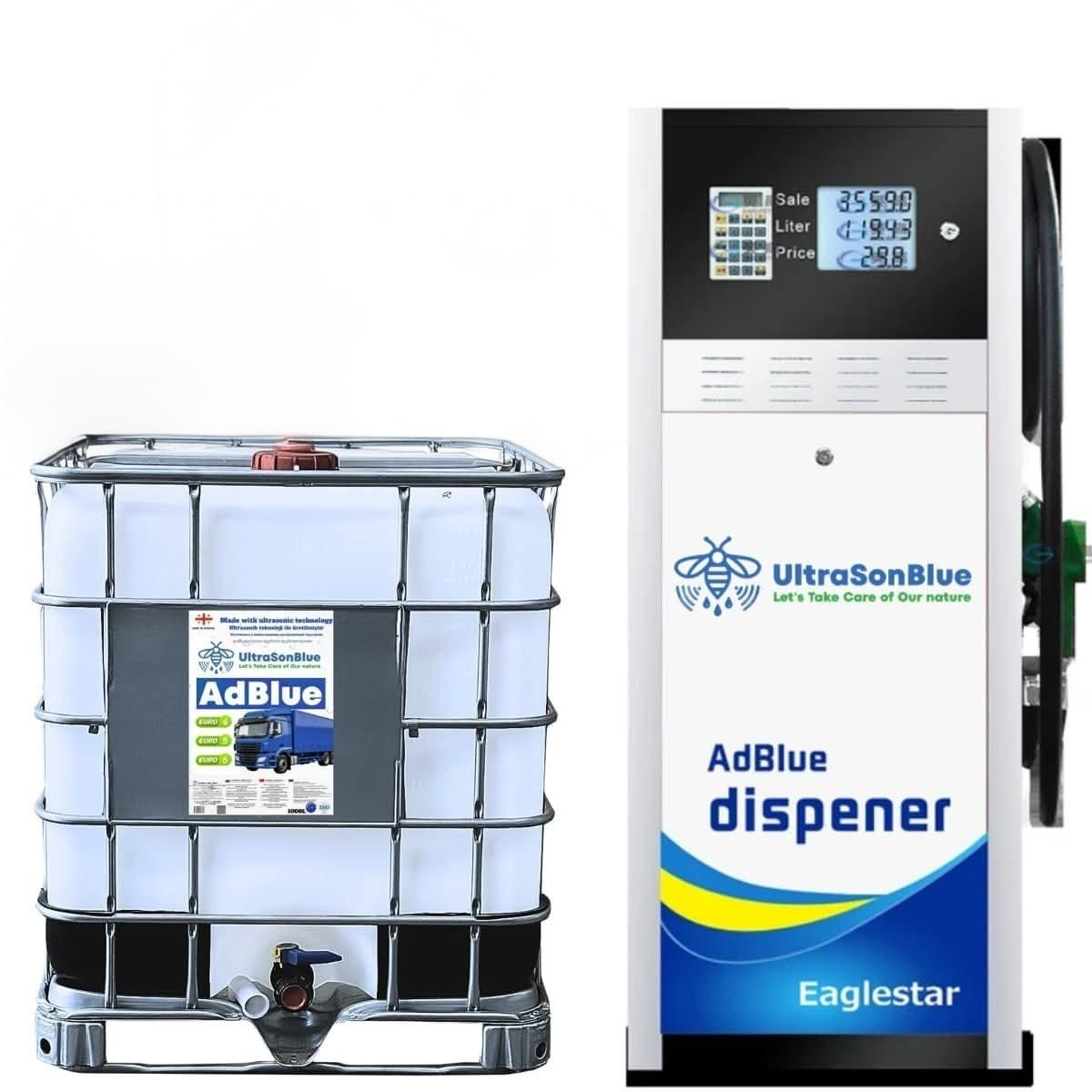
The system’s power requirements are relatively modest, which is vital for widespread global deployment. The machine is designed to operate on standard 220V power, with a running consumption of approximately 600 Watts/hour and a peak consumption of 1200 Watts/hour during active production [1]. This low power draw makes the system highly adaptable; if a reliable grid connection is unavailable, the device can be easily powered by just two solar panels [1]. The low energy profile minimizes infrastructure costs at remote or existing sites. Once produced, the AdBlue is held in small, necessary holding tanks before being transferred via a direct output pump into the vehicle tank [1]. The typical output capacity is robust, estimated at 5 liters per minute, allowing for the production of approximately 20 tons of AdBlue per day [1].
Chapter 4: Real-World Execution and Operational Model
This chapter details the practical plan for deployment, outlining the shift to decentralized production and the specialized support structure required for the new model.
4.1 Implementation Strategy and Site Deployment
The core strategy involves positioning the UltraSonBlue device directly at consumption centers, fundamentally changing the production and consumption dynamic [1]. The machine requires only the input of water and the proprietary urea block, ensuring a minimal footprint at gas stations and other points of sale [1].
A single device is designed for high-volume use, capable of producing about 5 liters per minute, which equates to an estimated daily production capacity of 20 tons of AdBlue [1]. For local supply assurance, the system is designed to maintain an inventory of urea blocks equivalent to approximately 300 liters of finished AdBlue [1].
The logistical transformation is dramatic: the entire complex, multi-layered supply chain of the traditional model is replaced by a direct, two-step supply system involving only the urea block and water delivery, resulting in massive operational savings and a lower carbon footprint [1].
4.2 Service, Support, and Logistics Model
A highly reliable support infrastructure is essential for the decentralized model’s success. AdBlue production machines will be distributed geographically, placed only a few kilometers apart based on localized consumption density [1].
A core innovation is the specialized 24/7 support network. For every defined region (e.g., within a 100-kilometer radius), a dedicated team of two personnel will be employed, equipped with a mobile auto-camper vehicle [1]. This highly localized service model ensures rapid response times. The service team’s responsibilities include:
- Providing 24-hour technical responsiveness [1].
- Guaranteeing on-site presence within three hours of problem notification to resolve technical issues [1].
- Managing and supplying the specialized urea capsules/blocks [1].
- Handling all administrative, financial, and contractual agreements [1].
- Processing all customer requests and addressing complaints [1].
This extensive, responsive service infrastructure, while representing a substantial operating expense, acts as a crucial competitive barrier. Competitors using traditional, cheaper service models cannot match the rapid quality assurance and supply consistency required by a decentralized system, thus ensuring UltraSonBlue maintains its localized market advantage.
4.3 Compliance and Standardization Framework
The project maintains rigorous adherence to established international standards while strategically planning for future quality benchmarks.
For immediate market entry, UltraSonBlue commits to meeting essential quality, environmental, safety, and customer satisfaction standards, including:
- ISO 9001 (Quality Management) [1]
- ISO 14001 (Environmental Management) [1]
- ISO 45001 (Occupational Health & Safety) [1]
- ISO 10002 (Customer Satisfaction) [1]
- CE Certification [1]
Crucially, the system fully complies with the German VDA (Verband der Automobilindustrie) standard and TS ISO 22241-1 (AUS32) for AdBlue [1]. Looking forward, the project plans to develop its own proprietary, advanced standards. These custom standards will strategically exceed the requirements of existing certifications, leveraging the device’s superior purity and efficiency to offer greater benefits for vehicles, human health, and the environment [1]. This strategic development of superior standards is intended to future-proof the technology and potentially push for regulatory adoption of higher benchmarks globally.
Chapter 5: Strategic Market Expansion and Diversification
The UltraSonBlue project is supported by an aggressive, multi-phased geographical expansion strategy and relies on the versatility of its core technology to diversify revenue streams.
5.1 Phased Geographical Expansion Strategy
The global market penetration is meticulously planned across five geographical phases, using key logistical hubs in Iran and Turkey to manage supply redundancy and deployment [1].
Table 2: UltraSonBlue Multi-Phased Geographical Expansion Plan
| Phase | Target Regions | Logistical Focus / Hub |
| I | Georgia, Ukraine (Nekara), Italy, Istanbul | Maku Free Zone (Supply Corridor Establishment) |
| II | Full Corridor Asia to Europe | Establishing multiple distribution nodes |
| III | MENA Countries, North Africa, Southern Europe | Regional partnerships and localized production |
| IV | Canada, Central America, and South America | Mersin Port (Atlantic distribution center) |
| V | South Africa, India, Eastern Asia, Oceania | Bandar Abbas Port (Eastern distribution center) |
Phase I focuses on the immediate deployment areas of Georgia, Ukraine, Italy, and Istanbul [1]. The urea capsules are sourced from Iran (Khorasan and Shiraz) or potentially Turkey and Russia, and warehoused at the Maku Free Zone. An extruder/press machine is kept at Maku to ensure continuous supply by converting market urea into proprietary capsules if necessary [1]. Phase II targets comprehensive coverage along the major corridor connecting China to Europe. Phase III expands southward into Arab countries, North Africa, and Southern Europe [1]. Phase IV focuses on the Americas (Canada, Central, and South America), utilizing Mersin Port in Turkey as the central distribution hub for Atlantic shipping [1]. Finally, Phase V targets South Africa, India, Pakistan, Eastern Asia, and Oceania, using Bandar Abbas Port in Iran as the eastern logistical center [1]. The strategic reliance on three diverse logistical hubs (Maku, Mersin, Bandar Abbas) is intended to mitigate geopolitical risk and ensure supply continuity across global trade routes.
5.2 Versatility of the Ultrasonic Homogenization Technology
The portable nature and high efficiency of the core ultrasonic homogenization technology provide a strong diversification strategy, extending its application far beyond AdBlue [1]. The technology functions as a platform, adaptable to any situation requiring a highly homogenous blend of liquids or solids dissolved in liquids [1].
The targeted high-value industries for future expansion include:
- Pharmaceuticals, Cosmetics, and Food: These sectors require exceptionally high purity, stability, and fine homogenization, which the ultrasonic cavitation technology is uniquely capable of delivering [1].
- Oil and Petroleum Products: The device can be utilized for blending oil-based fluids, such as producing engine oils, or creating complex, perfectly emulsified chemical mixtures [1].
- Cleaning and Automotive Fluids: Applications include the on-demand production of high-quality window washer fluid, specialized anti-freeze, and car wash cleaning liquids [1].
- Additives and Fertilizers: The system is ideal for dissolving difficult chemical additives or creating highly concentrated liquid fertilizers [1].
This planned diversification into high-margin sectors like pharmaceuticals and cosmetics significantly increases the total addressable market, justifying the platform technology designation and strengthening the long-term valuation proposition.
Chapter 6: Financial Feasibility and Risk Management
This chapter presents the core financial model, demonstrating the project’s rapid path to profitability, coupled with robust risk mitigation strategies.
6.1 Capital Investment and Cost Structure
The financial plan is aggressive and aims for highly accelerated growth. The estimated total capital required for the project startup, including investment in raw materials, machinery, and one year of operating expenses, is approximately 3,000,000 Euros [1].
The investment is spread across several critical areas, including the cost of specialized machinery, necessary laboratory equipment for standard compliance, initial stock of urea capsules, transportation vehicles (auto-campers), and the wages and rights for the comprehensive personnel required for the 24/7 service model [1]. The main operational costs are centered around the proprietary urea capsule, the specialized labor (service teams), and the low electrical consumption of the machines [1].
6.2 Financial Projections and Profitability Analysis
The decentralized production model is projected to yield exceptional profitability due to minimized logistics costs.
The target production forecast for the first year is approximately 5,000,000 liters of AdBlue [1]. Based on an assumed selling price of roughly 0.5 Euro per liter, the project anticipates generating approximately 2,500,000 Euros in annual revenue [1]. After deducting the estimated one year of operating expenses, the projected annual profit is approximately 2,000,000 Euros [1]. This high efficiency leads to a remarkably fast return on investment, with the calculated break-even point achieved in just 14 months (or 1.26 years) [1].
Table 3 summarizes the key financial metrics confirming the project’s aggressive profitability claims.
Table 3: Key Financial Projections and Break-Even Analysis
| Financial Metric | Value (Approximate) | Reference/Unit |
| Total Initial Investment | 3,000,000 | Euro (Start-up + 1 year costs) |
| Annual Production Capacity | 5,000,000 | Liters |
| Assumed Selling Price | 0.5 | Euro/Liter |
| Projected Annual Profit (Year 1) | 2,000,000 | Euro |
| Calculated Break-Even Point | 14 | Months (1.26 years) |
6.3 Comprehensive Risk Assessment and Mitigation
The project proactively identifies key threats and implements detailed strategies for mitigation [1].
Threat 1: Continuity and Quality of Urea Supply
The reliance on the proprietary urea block is a critical dependency. The mitigation strategy is multi-layered and focuses on redundancy: 1) securing contracts with parallel suppliers, 2) maintaining a substantial buffer inventory of 10 tons per device across various locations (factory, distribution, site), and 3) establishing internal manufacturing capability (extruder/press machine) to convert standard market-purchased urea into proprietary capsules if external supply fails [1]. Furthermore, the project plans to partner with newly established petrochemical plants focusing on green urea technology [1].
Threat 2: Device Malfunction and Operational Downtime
A decentralized network is vulnerable to machine failures. To mitigate this, the device is designed with minimal complex mechanisms to reduce failure rates [1]. The operational response is ensured by the rapid response service model: dedicated service teams are fully trained and equipped with all necessary spare parts, guaranteeing a response time of under three hours after a failure is reported [1].
Threat 3: Market Resistance from Major Incumbents
Opposition from large oil and fuel companies (e.g., Shell, BP) and existing centralized AdBlue producers is a key risk. The strategy is to approach these incumbents not as competitors but as potential partners. The project highlights the cost and logistical benefits for incumbents’ retail networks and notes that many majors currently outsource AdBlue production [1]. For existing AdBlue producers, cooperation models are planned, such as supplying them with the superior urea blocks at competitive prices, ensuring a win-win scenario that avoids prolonged market resistance [1]. The decisive competitive advantage—the combination of high quality (20% performance increase) and low price (50-100% consumer benefit)—creates a “value trap” for incumbents, forcing them to adopt the innovation rather than fight it.
Appendix
7.1 Key Technical and Commercial Terms (Keywords) [1]
- AdBlue
- DEF (Diesel Exhaust Fluid)
- Ultrasonic
- UltraSonBLUE
- Homogenization
- Cavitation
- AdBlue Portable Factory
- Production of AdBlue at gas station
- Green urea
- Green Fuel
- Auto glass water
- Antifreeze
- Engine Oil
- Carwash washing liquid
- Additives
- Portable
7.2 Intellectual Property and Partner Directory [1]
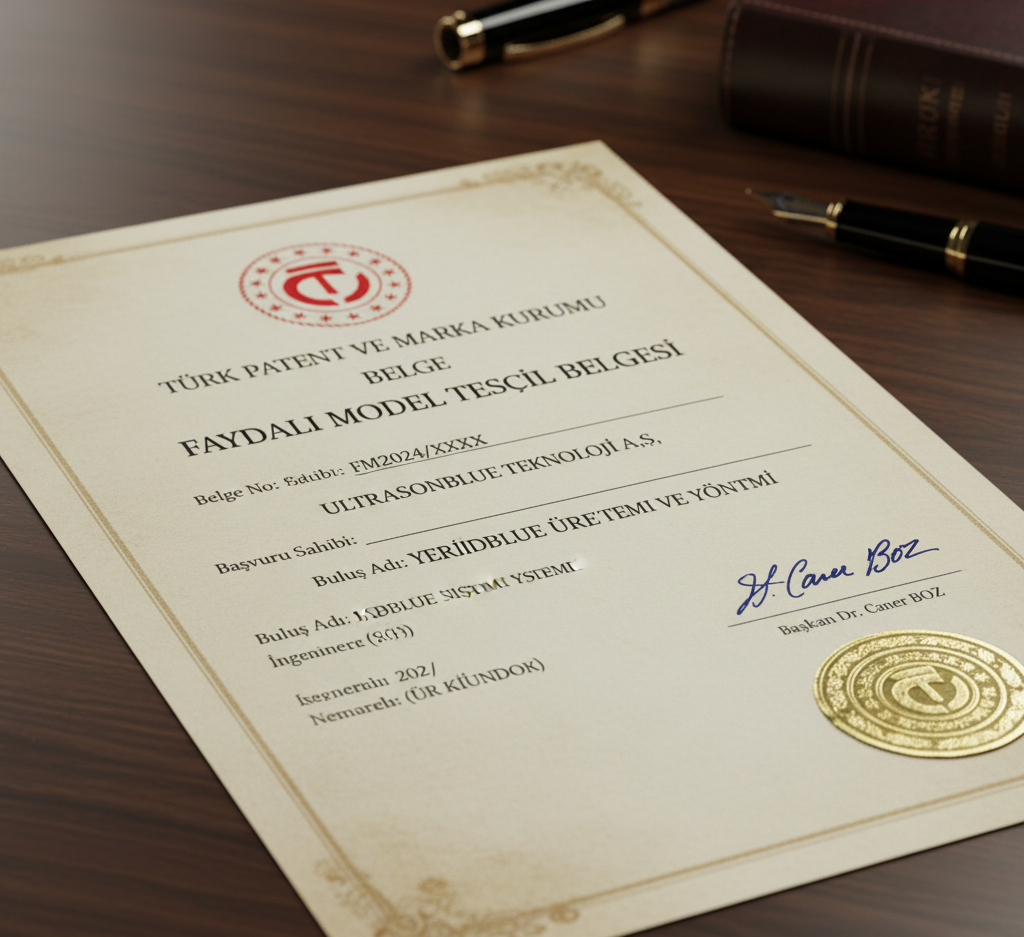
The UltraSonBlue invention is protected by an international patent application filed under WIPO PCT (WO 2024/177596 A1), with priority data established in Turkey. The project references secured trademark and original invention certificates [1].
The primary applicant is SAVIOR VITA MEDİKAL TEKSTİL DENİZ VE SU ÜRÜNLERİ SANAYİ TİCARET LİMİTED ŞİRKETİ (TR), and the inventor is Mohammad RAHIMI [1].
Key partner companies involved in the development and execution of the project include:
- BETAMİX MAKİNA SANAYİ VE TİCARET LİMİTED ŞİRKETİ
- GENERAL TRADİNG SERVİCES PETROL VE PETROL ÜRÜNLERİ TİCARET LİMİTED ŞİRKETİ
- MEKSER YAPI İNŞAAT MÜHENDİSLİK SANAYİ VE TİCARET LİMİTED ŞİRKETİ
- RIMOS MÜHENDISLIK SAVUNMA HAVACILIK MAKINE MEDIKAL OTOMOTIV SANAYE VE TIC LTD ŞTI